Are Pocket Holes “Cheating”? The Truth About Woodworking’s Most Controversial Joint
Are pocket holes cheating in woodworking? Learn why pocket hole joinery is strong, reliable, and used by professional builders every day.

Every time I post a woodworking project video on social media and I use pocket holes (which I do 90% of the time), I get comments like…
“That’s not real woodworking.”
“Learn real joinery.”
“Those joints are going to fail.”
There seems to be an unwritten rule among internet gatekeepers that if a project didn’t take three days of hand-chiseling mortise and tenon joints in a workshop it somehow doesn’t count.
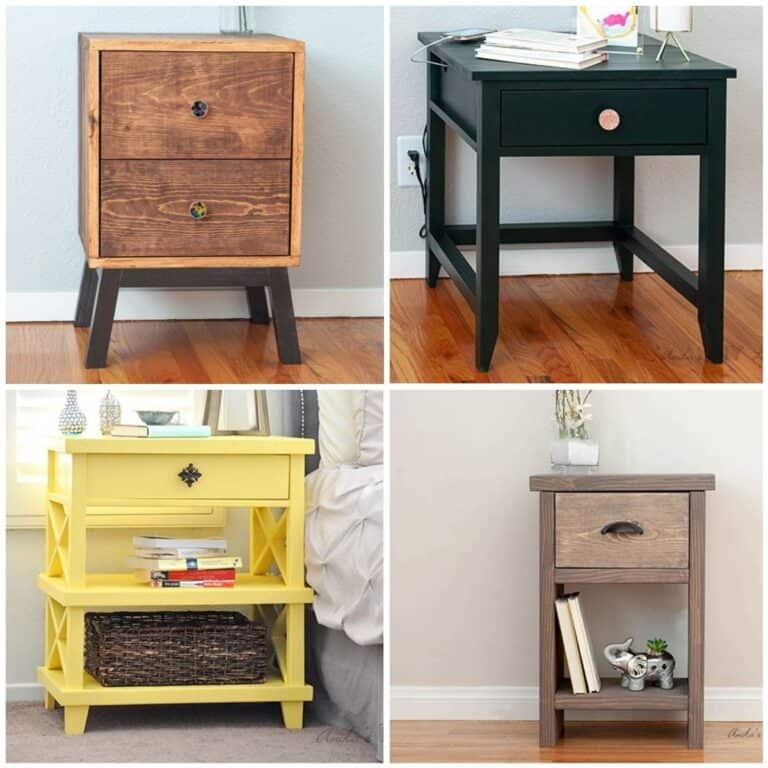
I have been building furniture for almost 15 years, and I use pocket holes in roughly 90% of my projects. From custom record player cabinets and bar carts to A-frame desks and file cabinets, pocket-hole joinery is a staple in my shop.
So, are pocket holes cheating? No.
The question isn’t whether pocket holes are “real” woodworking. The real question is: Is a pocket hole the right joint for what you are building?
Why Do Pocket Holes Have a Bad Reputation?
Traditional woodworking is filled with gorgeous, intricate joinery like mortise and tenons, dowels, dados, rabbets, and dovetails. Learning those methods is fantastic, and mastering them will certainly make you a better craftsperson.
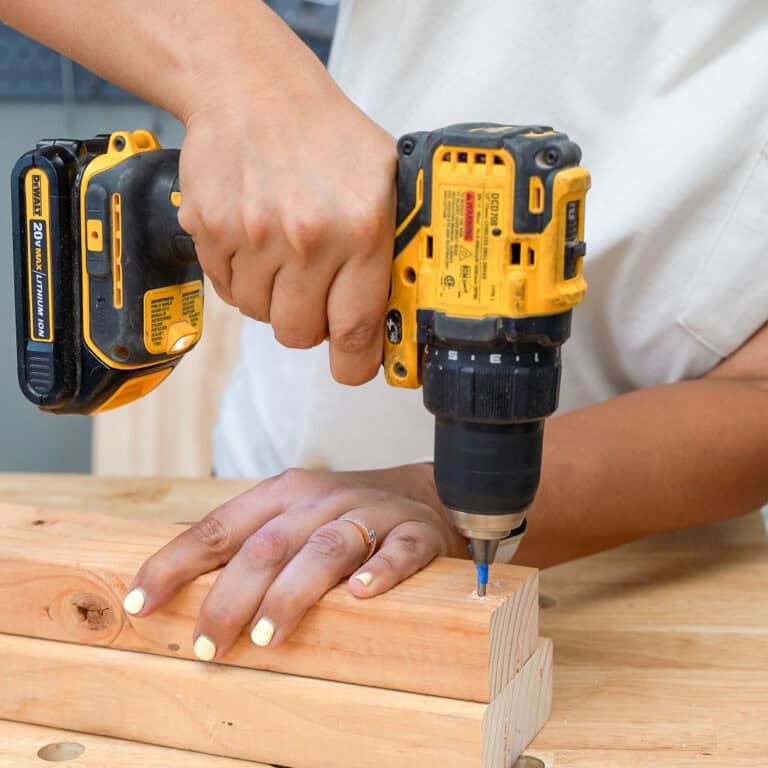
But pocket holes make joining two boards almost ridiculously easy:
- Set up your jig.
- Drill an angled hole.
- Drive in a screw.
- Done!
See more about how to use a pocket hole jig

Somewhere along the way, people decided that easy equaled bad.
I completely disagree. If making something easier is cheating, then ask yourself:
- Is using a miter saw cheating because I didn’t cut the board with a hand saw?
- Is using a power drill cheating because I didn’t use a hand screwdriver?
- Is using a nail gun cheating because I didn’t hammer every single nail?
Of course not! They are tools. Pocket-hole joinery is simply another powerful tool in your woodworking toolbox.
Why Pocket Holes Are Perfect for Woodworking Beginners
This argument hits close to home because pocket holes are literally how I got started building furniture.
When I first started out, I owned a power drill. One of the very first tools I bought specifically for woodworking was my trusty Kreg K4 pocket-hole jig.
I didn’t have a giant workshop. I didn’t own a table saw (or any saw for that matter). I had zero idea how to cut a mortise and tenon joint. and I just wanted to build a small table for my daughter.
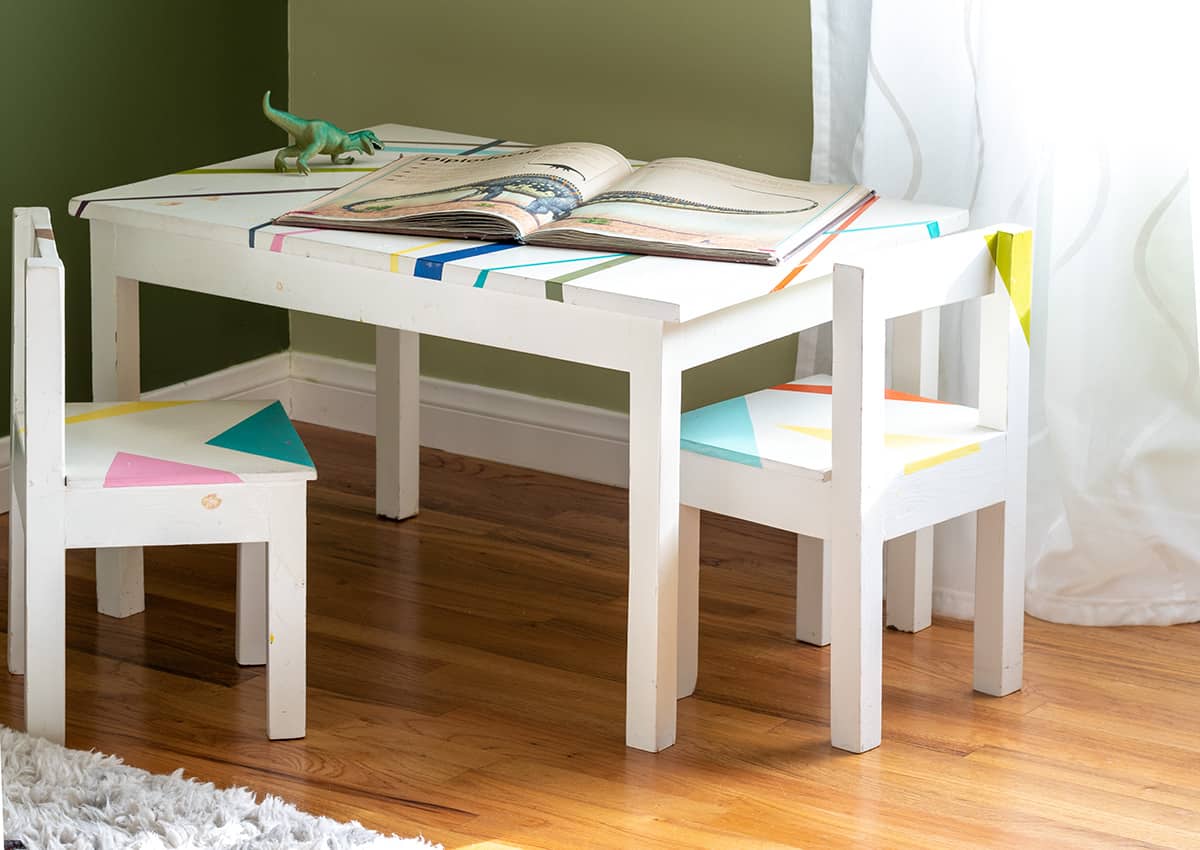
With that little pocket hole jig and a drill, I was able to get boards cut at the store and build the little table and chair!
That feeling of empowerment was huge, and it truly is what started the snowball effect that has brought me to where I am today.
Think about it – there is already so much standing between a beginner and their very first build. What wood do I buy? How do I cut it straight? What tools do I actually need? How do I make sure it’s square? What exactly is “square” anyway?
We don’t need to add “Your joinery isn’t complicated enough” to that overwhelming list!
Small steps and small wins add up to a huge boost of confidence, and that is huge!
How to Build Strong Pocket Hole Joints (5 Golden Rules)
The second common criticism is: “Okay, they’re easy, but they aren’t strong.”
Here’s the truth: Pocket holes can be incredibly strong when you use them correctly. I have yet to see any of my projects from the last 15 years fail.
If you want to prove the critics wrong, you have to use your jig the right way:
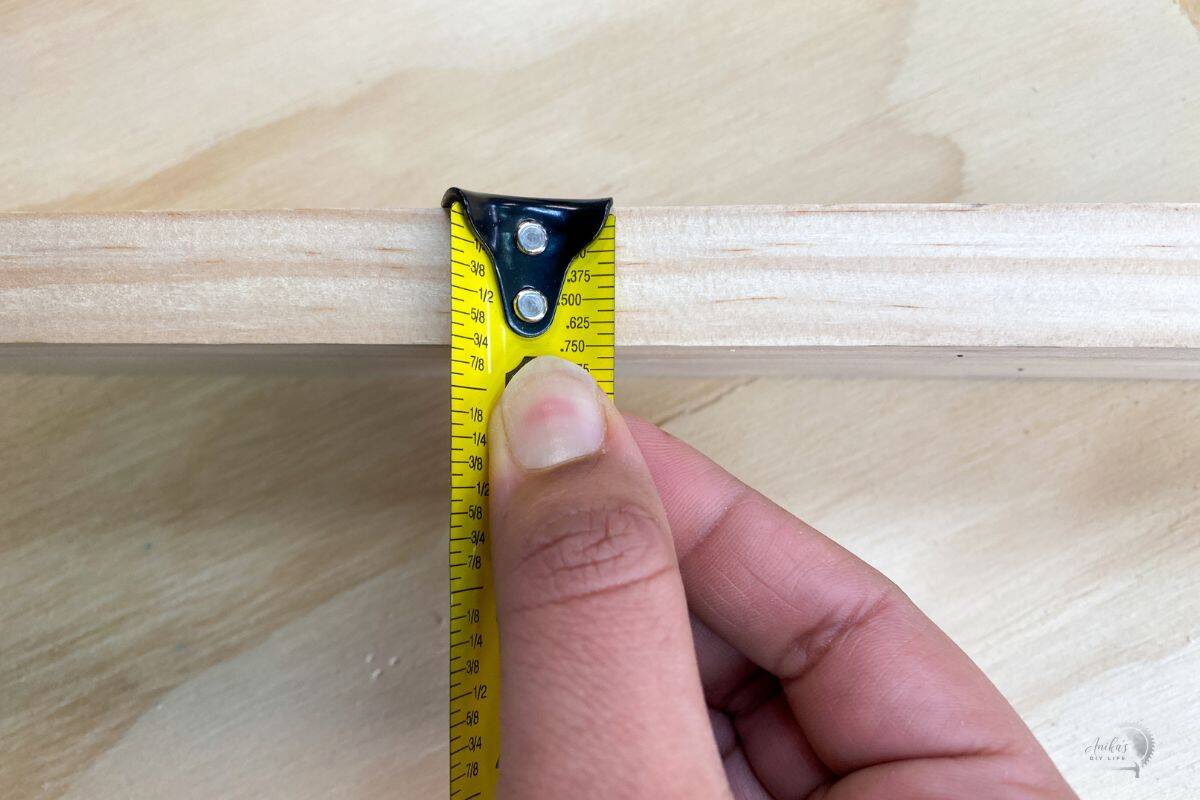
1. Always Measure Exact Material Thickness
Don’t assume a 1x board is actually 1 inch thick, or that 3/4-inch plywood is exactly 0.75 inches. Measure your wood thickness precisely, and adjust your jig height and drill bit depth collar to match that exact number.
2. Always Use a Minimum of Two Screws
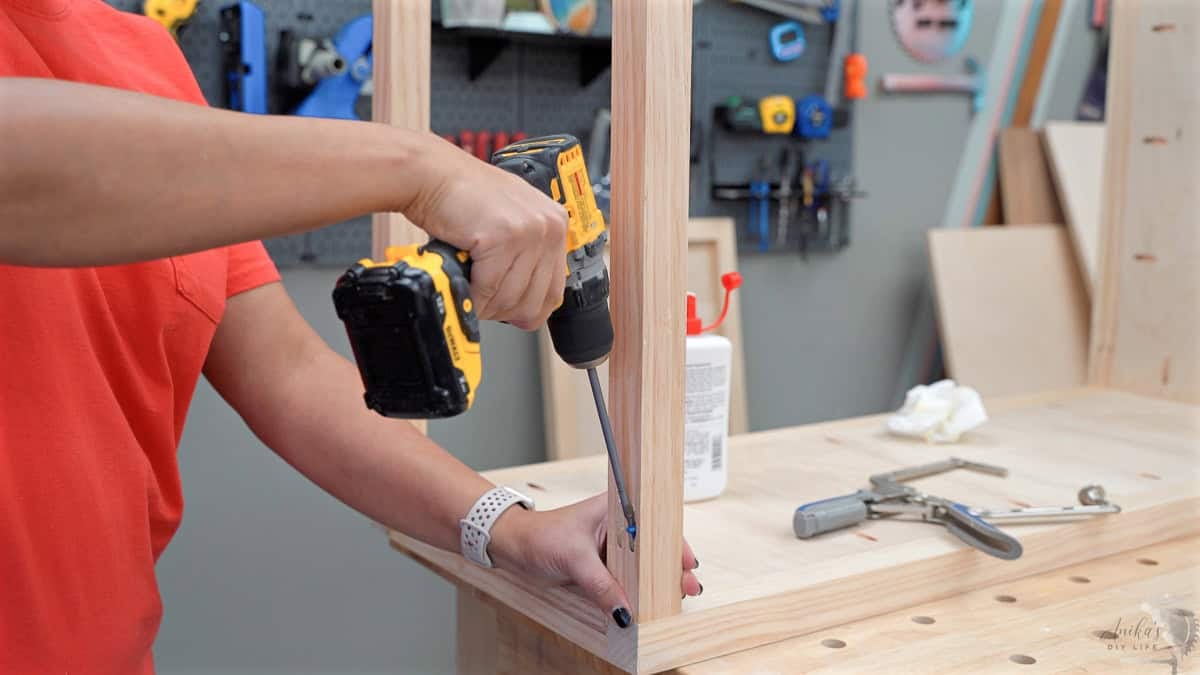
Never use just one pocket hole, even on narrow stock like a 1×2! A single screw acts like a pivot point, allowing the wood to twist over time. Two screws create a strong, non-rotating joint.
3. Mind Your Wood Grain Direction
Pocket hole screws must enter perpendicular to the receiving board’s grain to maximize holding power. Screwing parallel into end grain (like a bundle of straws) won’t hold properly.

4. Use Actual Pocket-Hole Screws (Not Wood Screws)
Pocket-hole screws aren’t just normal screws in a fancy box. They are especially designed to work with pocket holes to make the joints stronger.
- Flat Washer-Style Head – Seats flat against the bottom of the drilled pocket instead of wedging deeper and splitting the wood.
- Smooth Upper Shank – Lets the screw spin freely in the pocketed board, drawing the mating board tight against it.
- Coarse vs. Fine Threads – Use coarse threads for softwoods/plywood and fine threads for hardwoods.

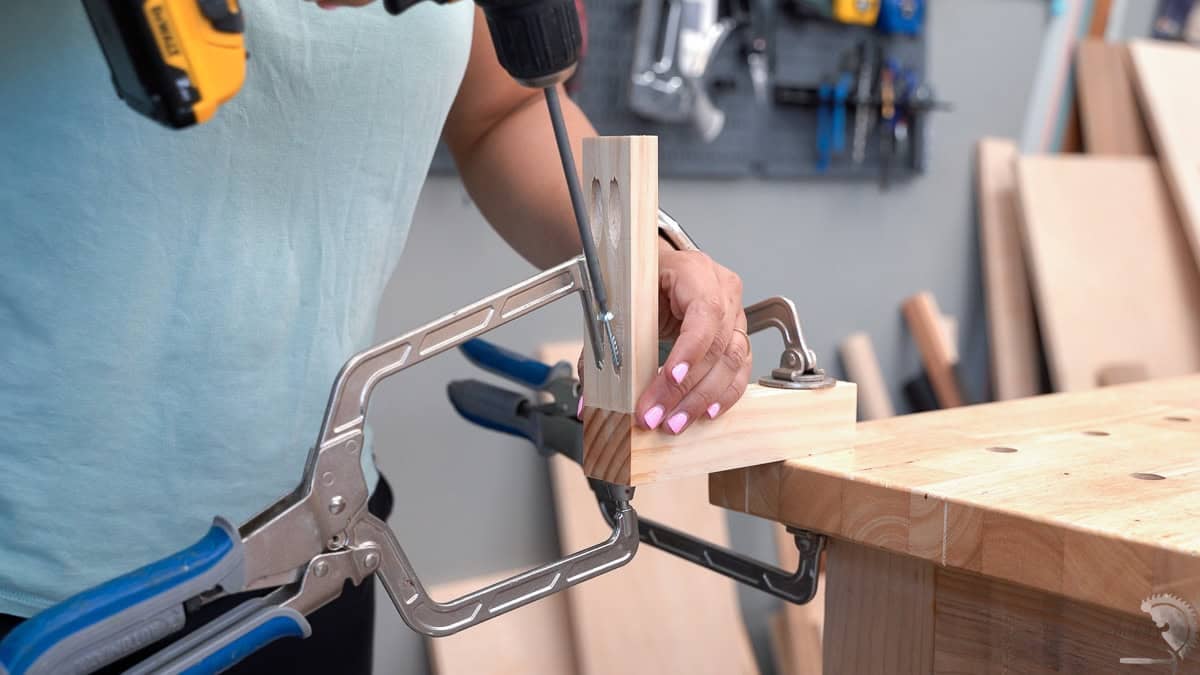
5. Always Clamp and Use Wood Glue
Pocket hole screws act as built-in clamps while driving, but wood glue creates the permanent bond over time. Always clamp your joint before driving screws to keep the faces perfectly aligned!
When You Shouldn’t Use Pocket Holes
To be fair, pocket holes are not the right joint for every single situation. A huge part of growing as a woodworker is knowing when to choose a different technique:
- Inside Miter Corners: On narrow mitered frames, there often isn’t enough material for the screw to grab securely without breaking through the edge. I would recommend using dowels for this.
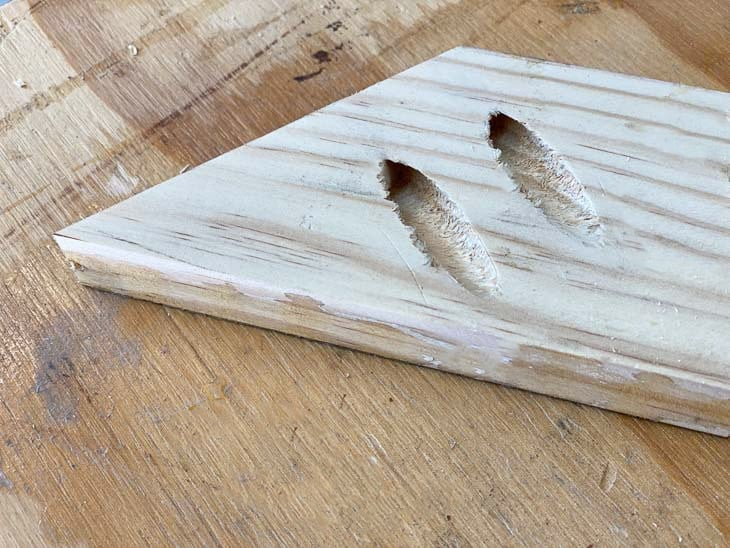
- Showpiece Hardwood Builds: If you’re using expensive hardwood where the joinery itself is a major visual element, pocket holes aren’t the best design choice.
See more: 10 Pocket Hole Tips To Build Like a Pro
How to Handle “Ugly” Pocket Holes
Pocket holes aren’t pretty. If they are left exposed, they definitely are an eyesore. But most of the time, you can take care of it with a little strategy.
My first strategy is smart design: I almost always design the projects so that the pocket holes are hidden underneath, behind face frames, or inside cabinet interiors.

When they can’t be hidden, you can make them disappear using a few simple methods like pre-made plugs, wooden dowles or even wood filler.
See more about how to fill pocket holes here.
Stop Worrying and Start Building
Pocket holes aren’t just “beginner joinery”. They are fast, repeatable, and used by professional custom cabinet shops every single day.
Being a better builder doesn’t mean making every single step as complicated as possible. It means knowing why you’re choosing a joint and executing it well.
So learn how wood grain works. Measure your boards carefully. Use the right screws, clamp your joints, and use glue.
Most importantly: choose your joinery based on your project, not based on what someone on the internet thinks counts as “real woodworking.”

I would much rather see you build the nightstand, bookshelf, planter box, or workbench you’ve been dreaming about than spend six months worrying if you’re doing it the “right” way.
You will also like


Anika's goal is to inspire and empower beginners with woodworking, DIY, home improvement, and home decor ideas.
She wants everyone to unlock their creative potential and experience the feeling that comes with making something. Nothing feels better better than seeing something and saying "I can make that!"